Concepts
Take a deeper look into my mind
I'm genuinely energized by the challenge of distilling a brand's unique essence into a compelling, elegant story. There's something profound about identifying what truly sets a brand apart in a crowded competitive landscape—and then translating that differentiation into a message that resonates deeply with the intended audience. It's strategic storytelling at its finest, and it never gets old. The moment when everything clicks into place—when simplicity and relevance and authenticity converge—is absolutely exhilarating!
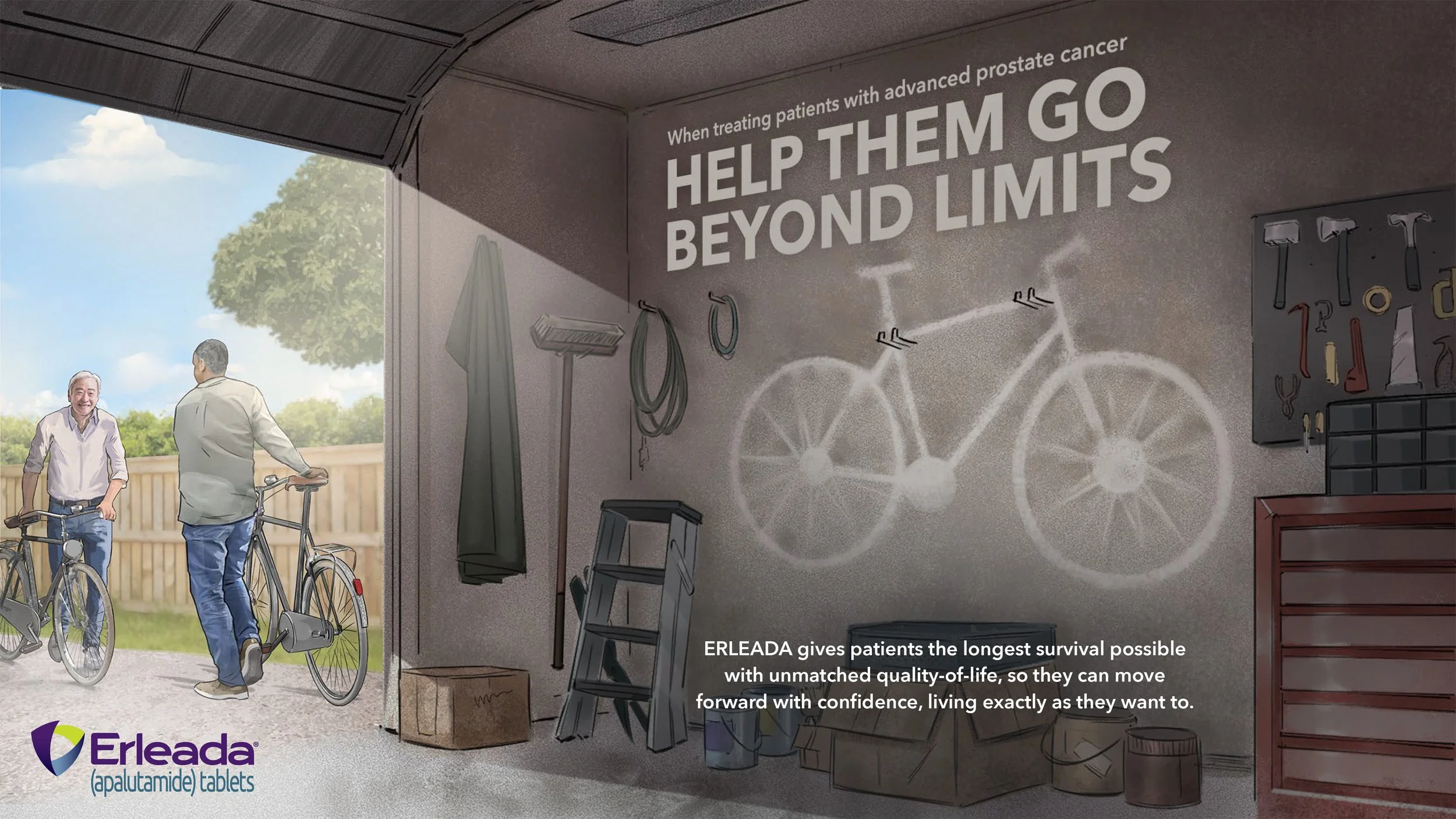
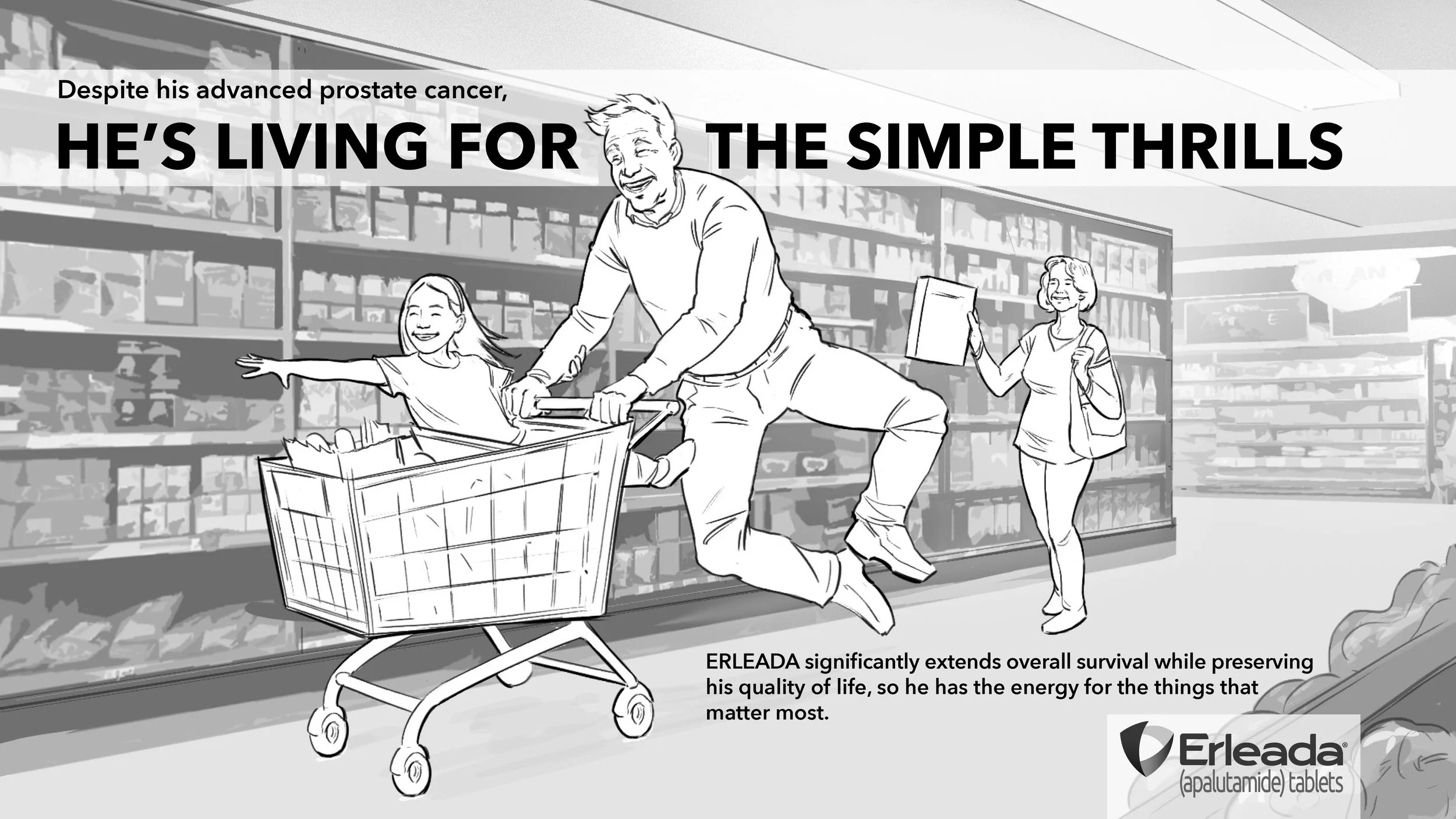
Disease state: Advanced prostate cancer | Audience: HCPs
Insight:
There is a deep disconnect between HCPs and patients that is fueling complacency. HCPs see their patients as “older” and as having “lived their lives”. But patients want to feel, and continue to feel, young at heart for as long as they can. They don't want to be slowed down by PC or the side effects of treatment.
Core Idea:
Establish ERLEADA as the brand that helps patients retain vitality so that they feel young at heart.
This core idea leans into how ERLEADA delivers on the patient’s critical need to maintain enduring physical and mental acuity,
so he can live well for longer.
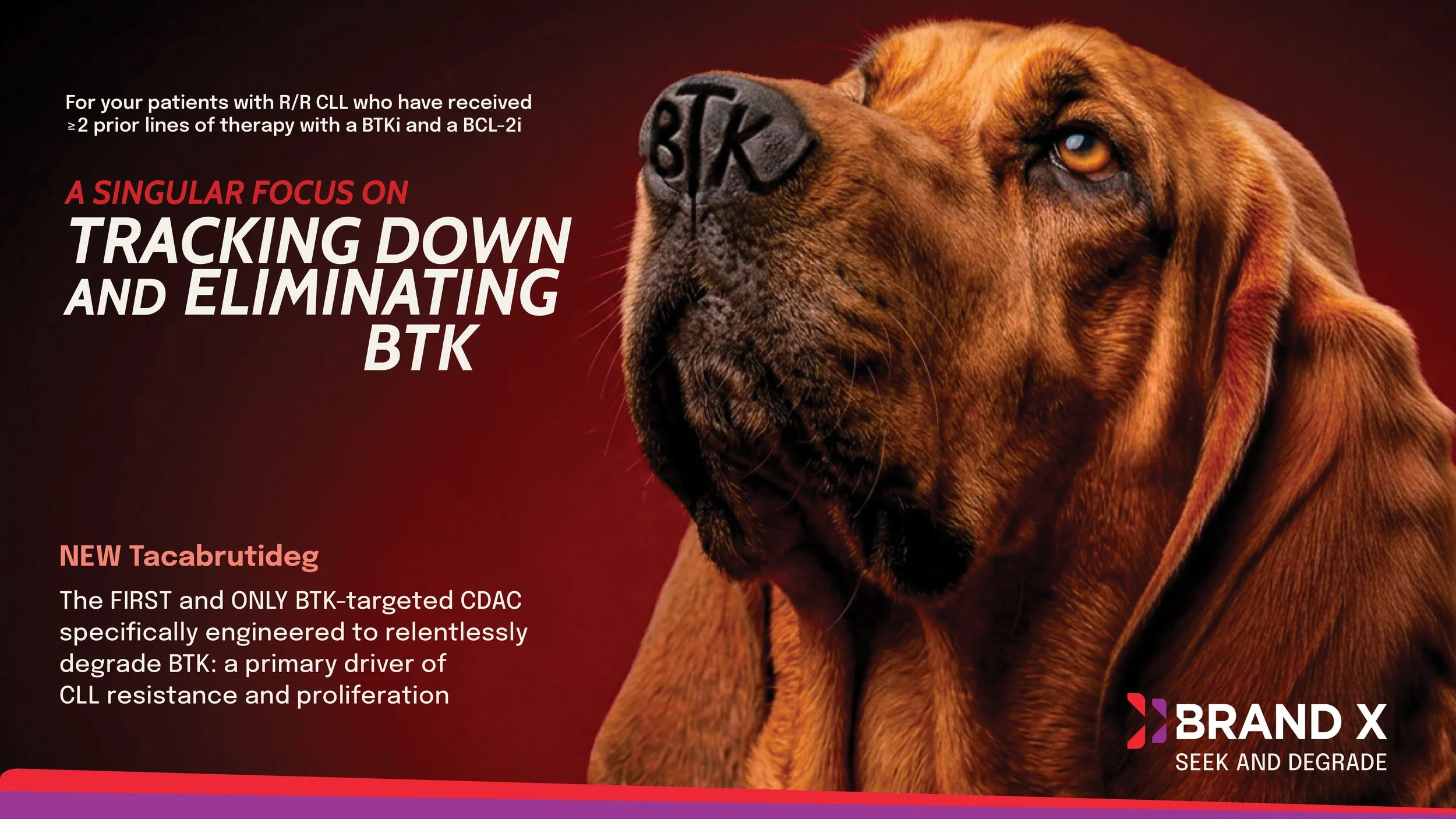
Disease state: B-cell malignancies | Audience: HCPs
Insight:
HCPs have heard a little about the CDAC class, and how protein degraders may offer an option when B-cell cancers become resistant or refractory to BTK and BCL2 inhibitors. But these patients with relapsed/refractory disease bear the burden of age and treatment-relevant
co-morbidities, and don’t know what CDACs bring to the table.
Core Idea:
Don't leave the problem behind. Eliminate it.
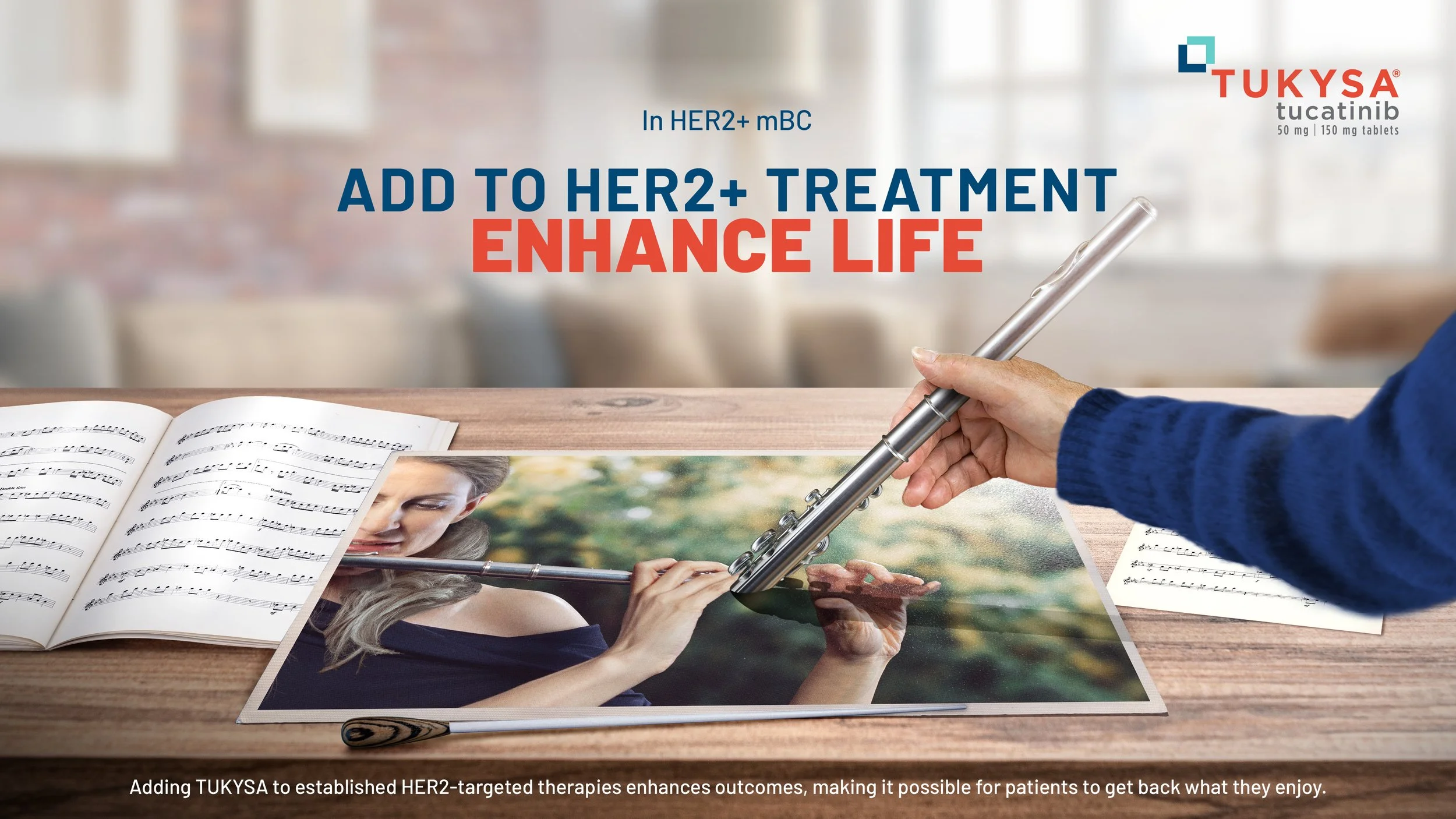
Disease state: Metastatic breast cancer | Audience: Pan Audience
Insight:
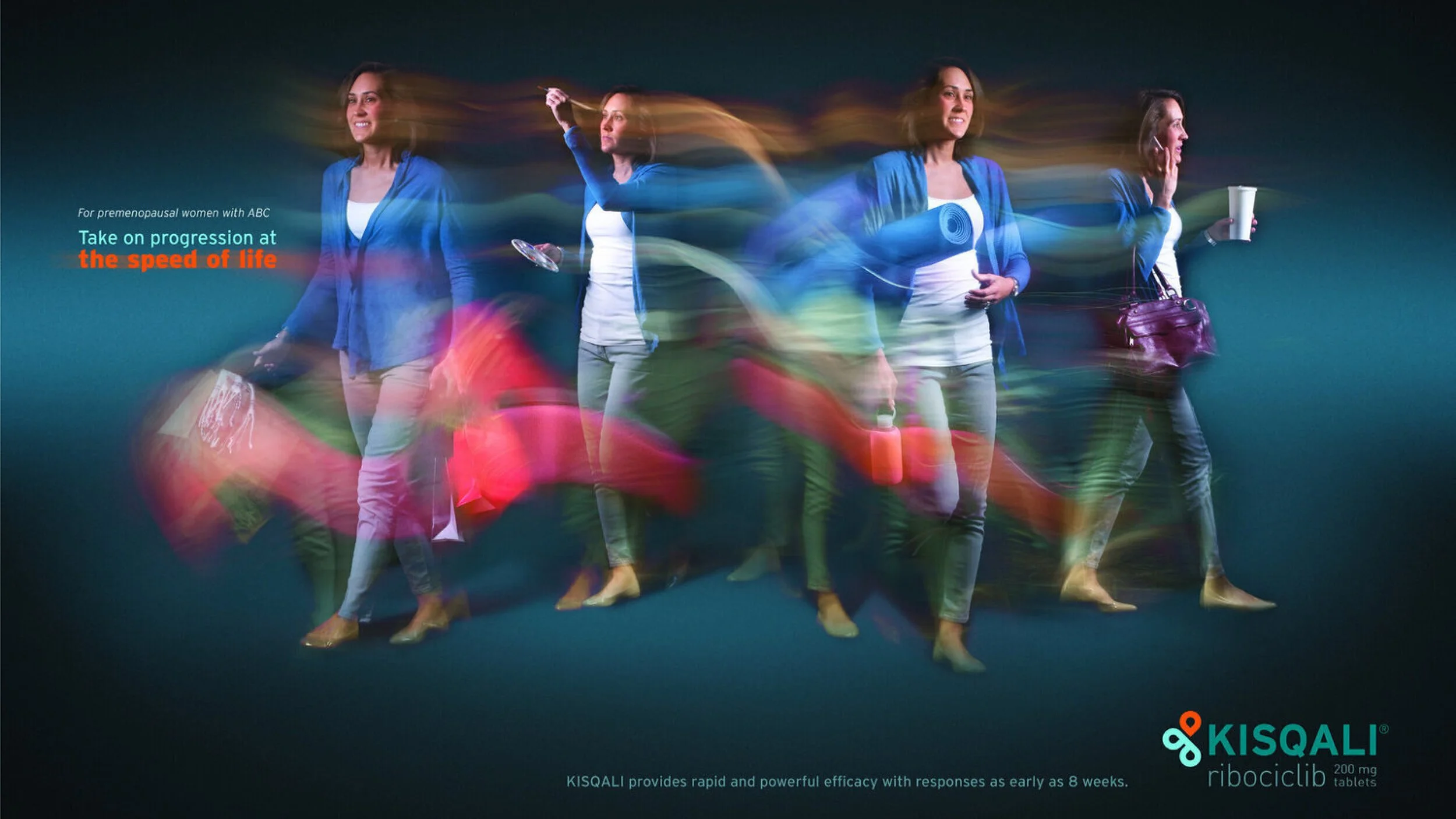
HCPs become more guarded when treating patients with metastatic disease because they know they cannot cure them. As disease progresses, there is increasing uncertainty about what the best metastatic treatment choice should be.
HER2+ metastatic disease can be lonely for patients, and they often feel they have minimal emotional support. As patients progress, the fear of running out of options becomes more acute .
Core idea:
Enhancing treatment to advance life.

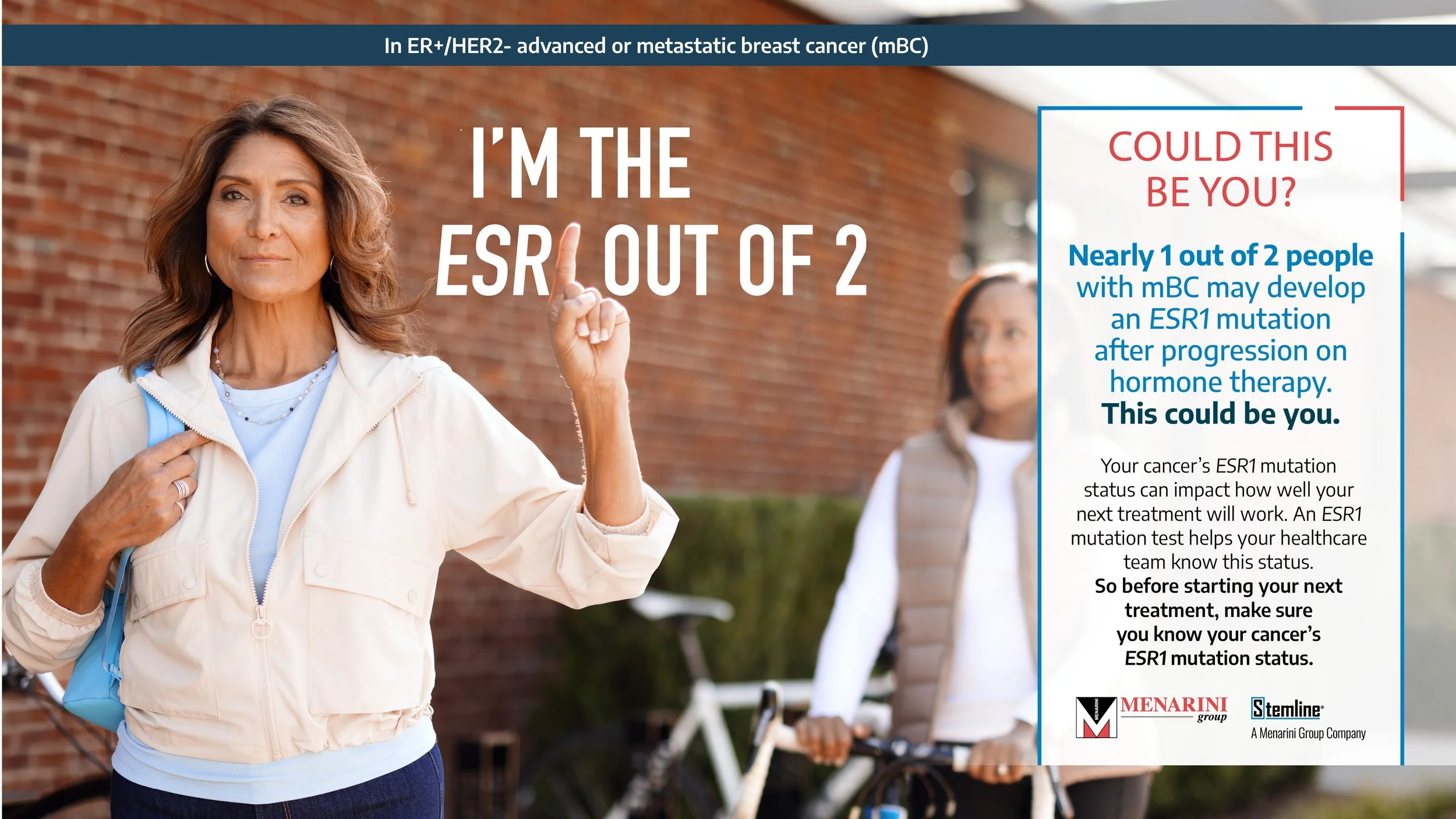
Disease state: Metastatic breast cancer | Audience: Patients | Disease awareness campaign
Challenge:
Awareness of the ESR1 mutation is low among people living with mBC and their caregivers.
Objective:
Motivate and empower the primary audience to learn more about the ESR1 mutation and the importance of talking to their HCP about testing and knowing their status.
Disease state: Metastatic breast cancer | Audience: Patients
Core idea:
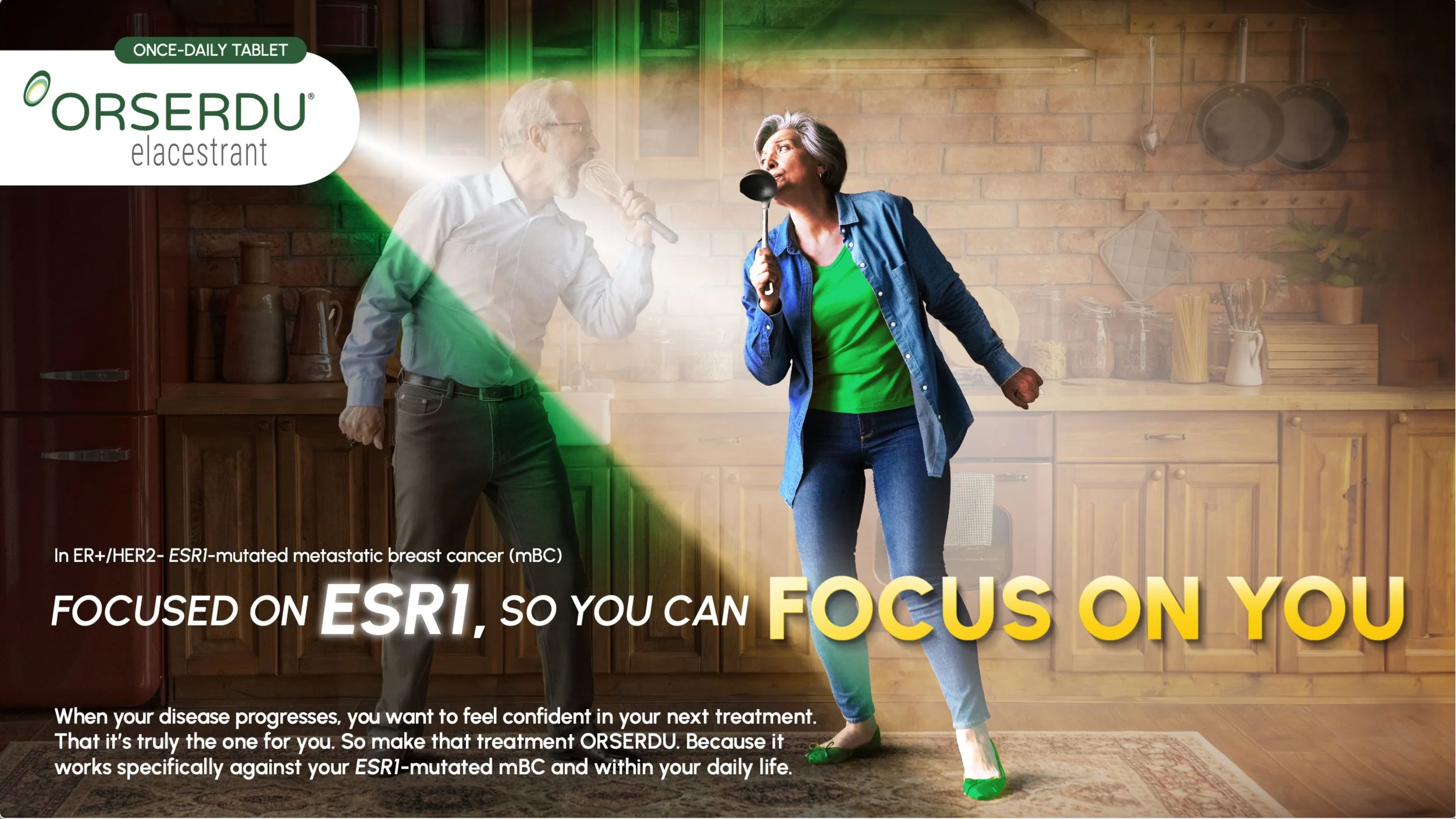
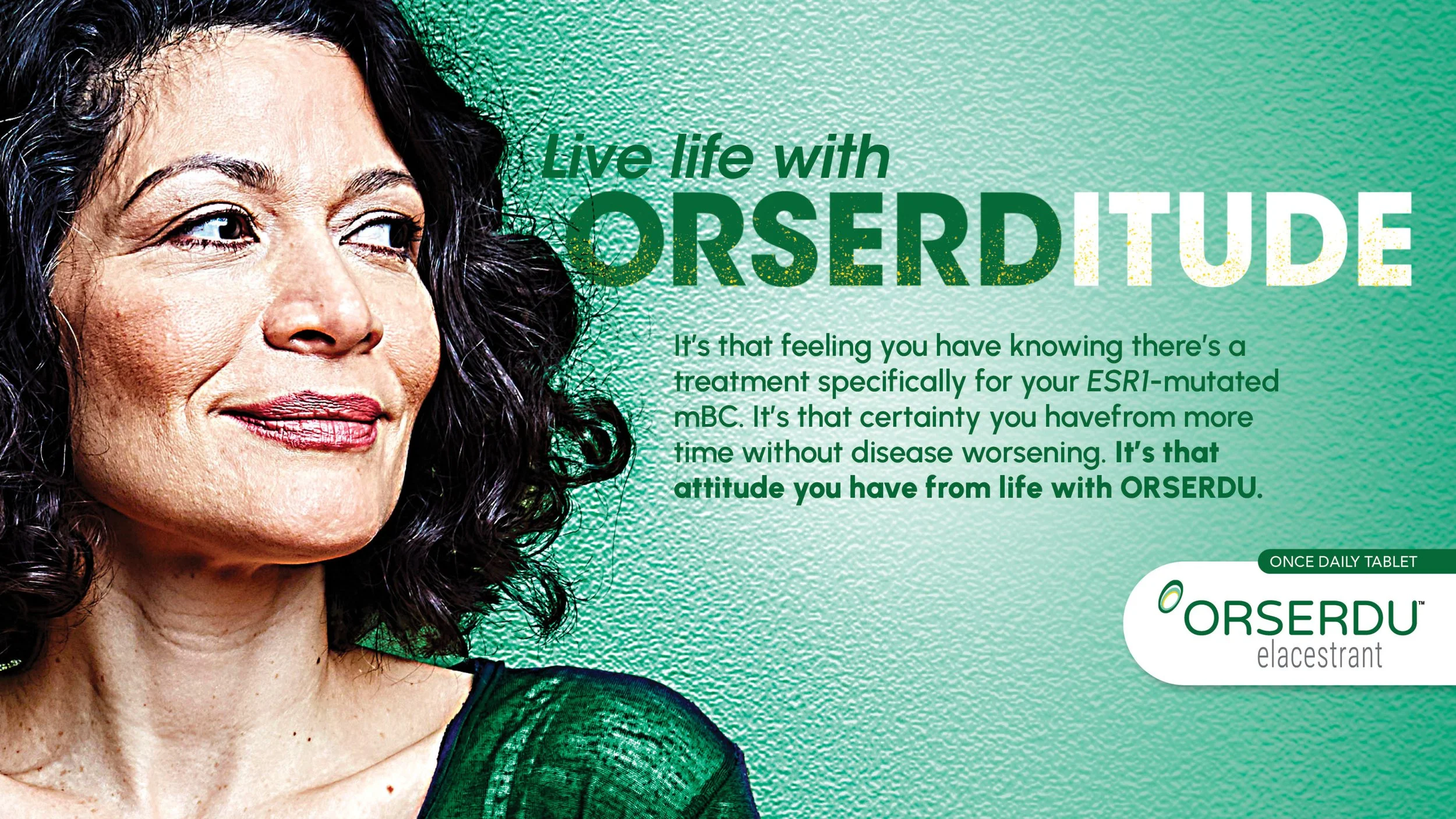
ORSERDU is the unique treatment that works for me and with me.
The below branded concept (1 for me) pairs with the above unbranded awareness concept.

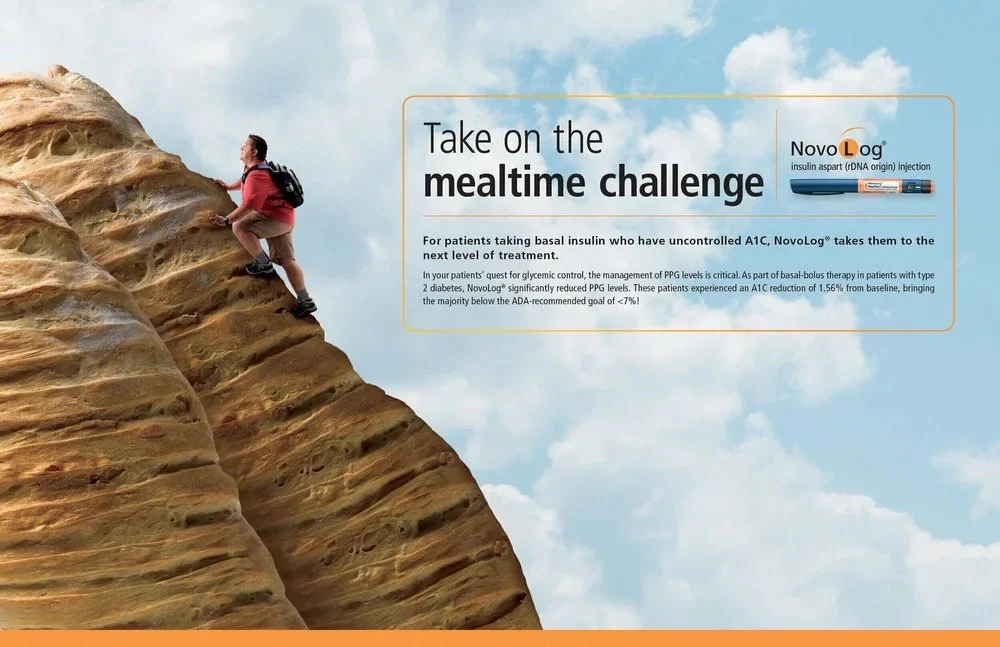
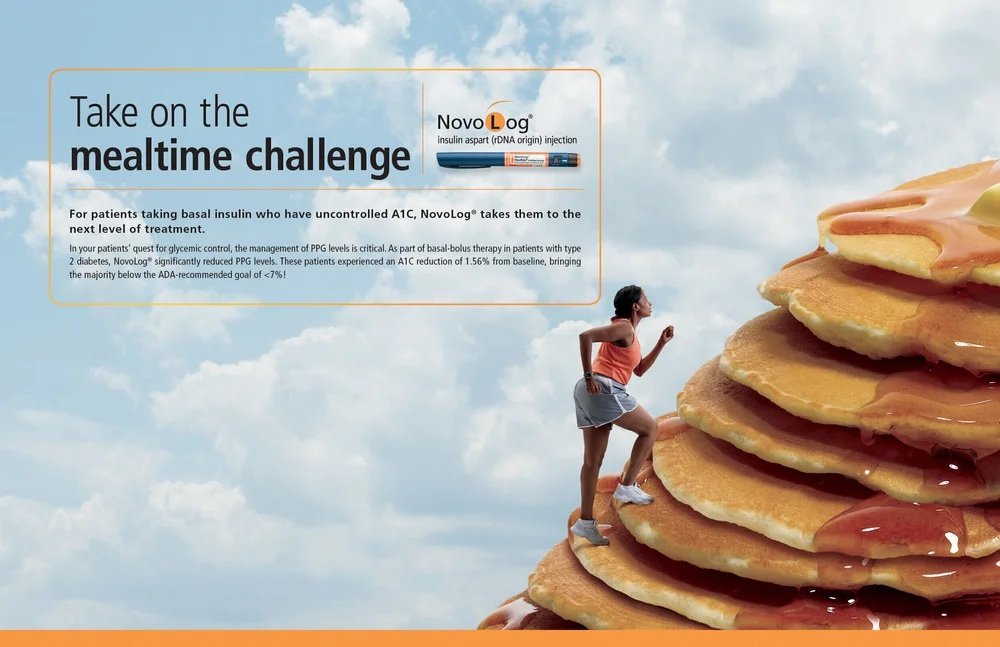
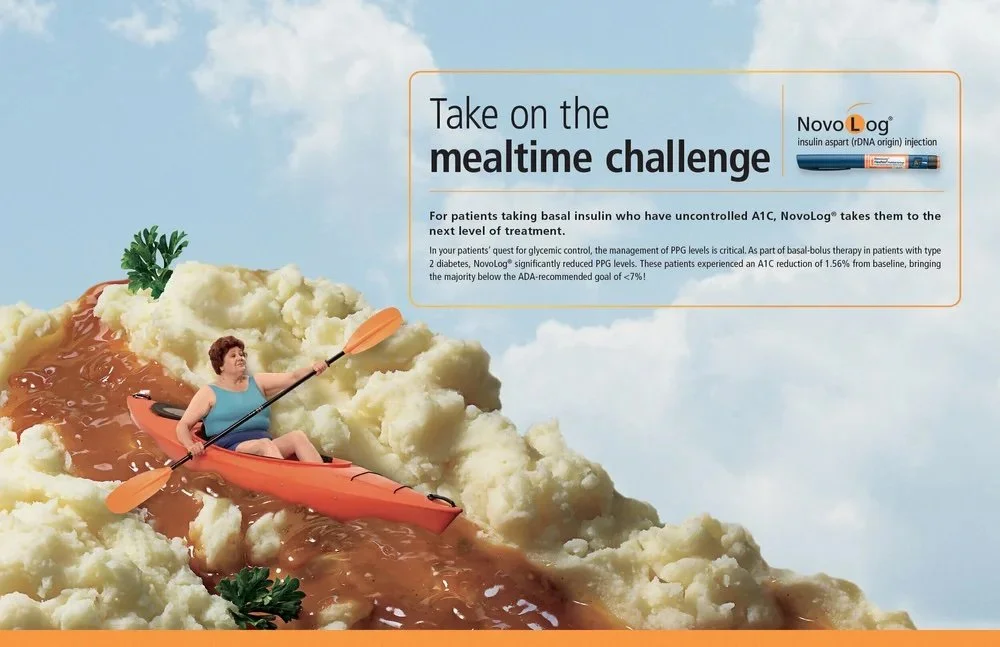
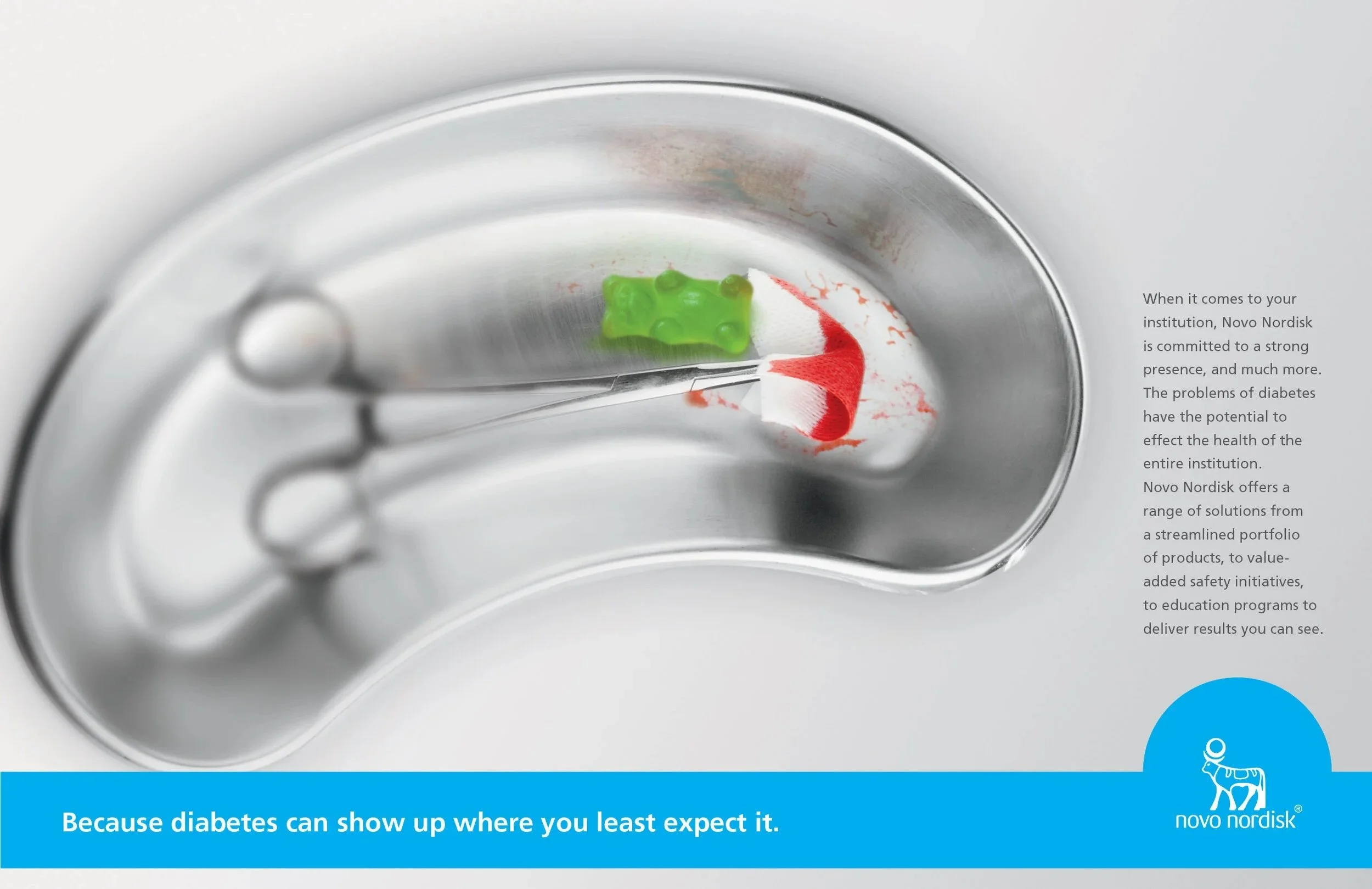
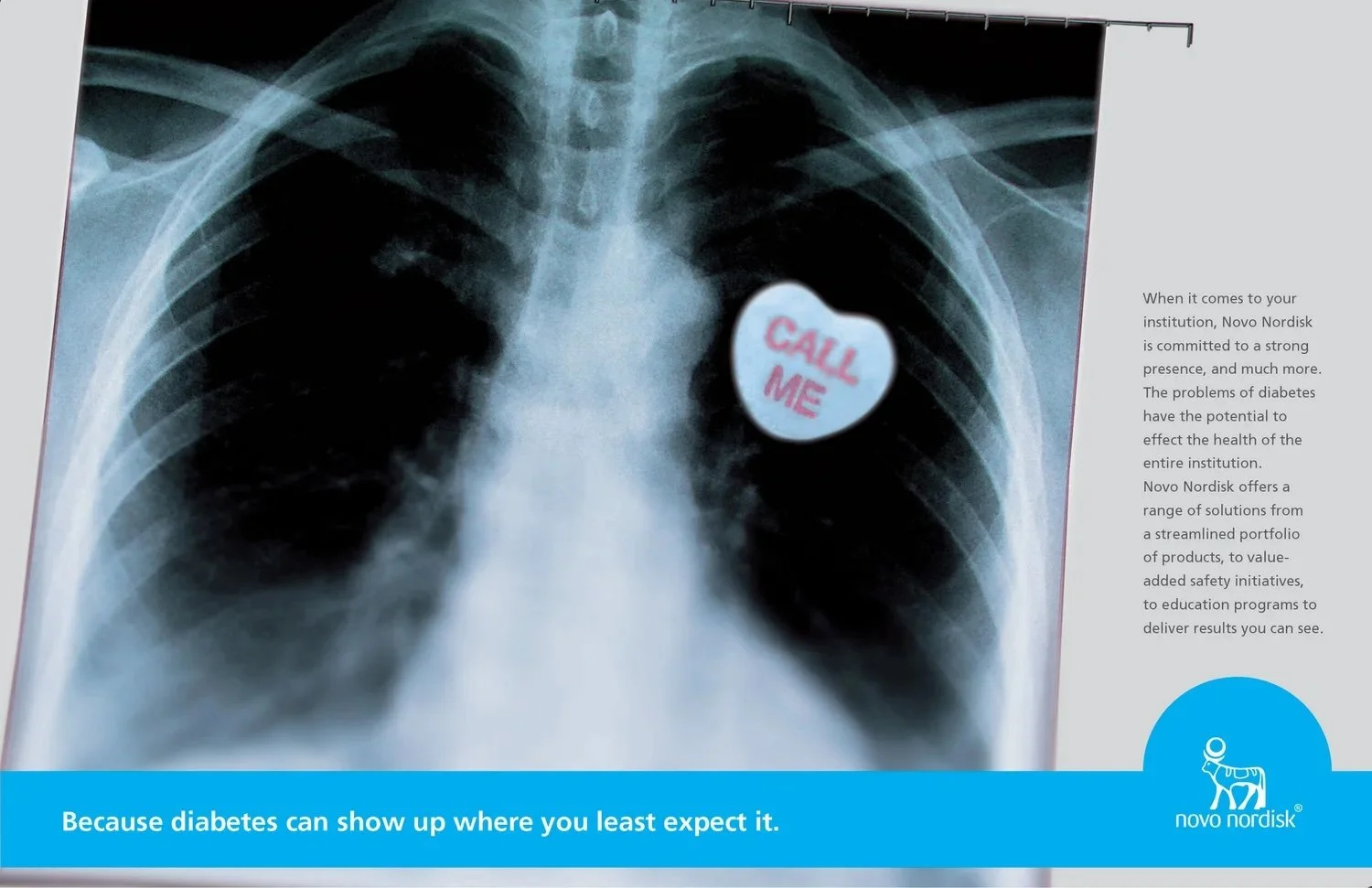
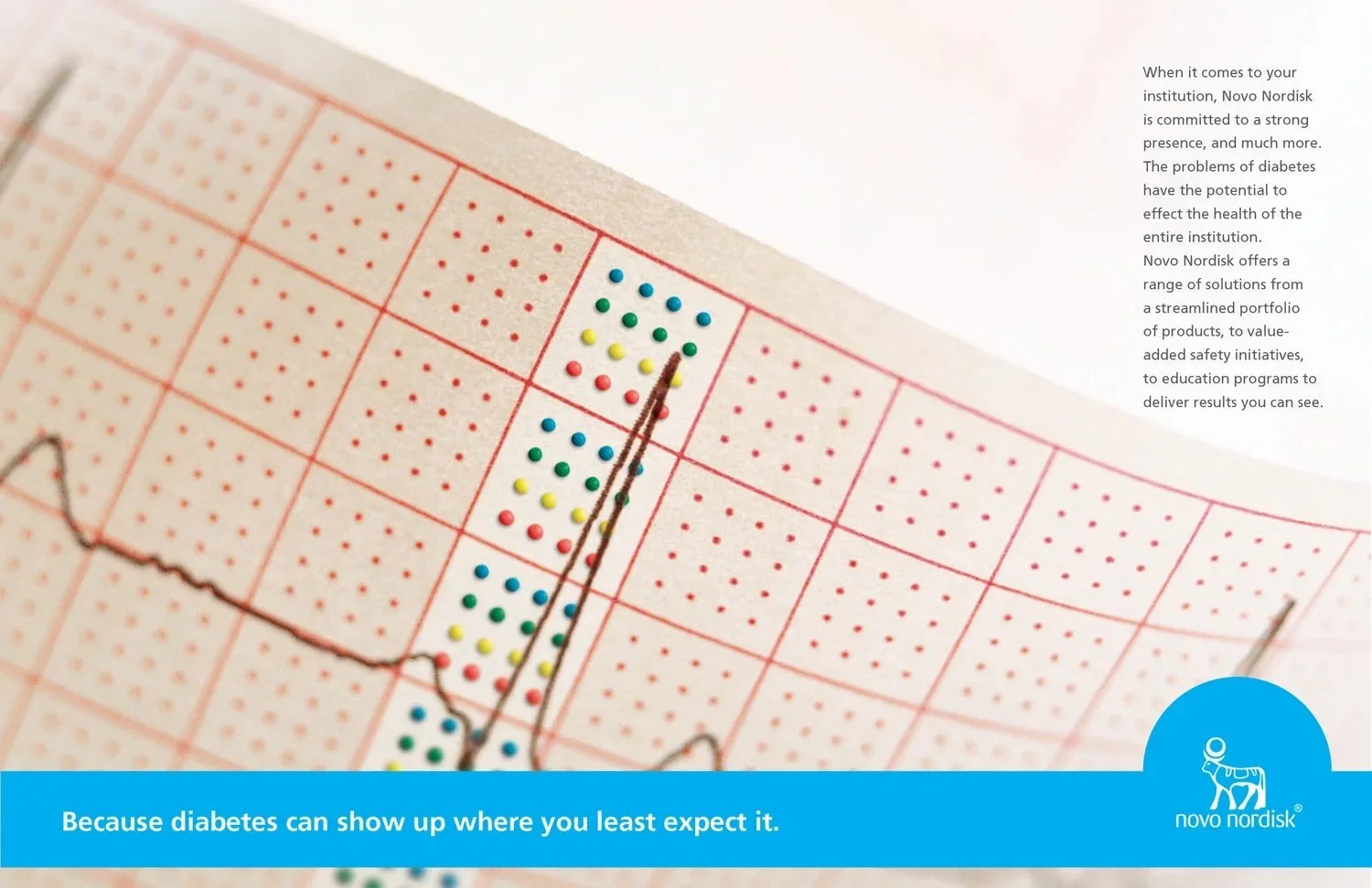
Disease state: Diabetes | Audience: HCPs | Corporate awareness campaign
Disease state: Metastatic breast cancer | Audience: HCP
Insight:
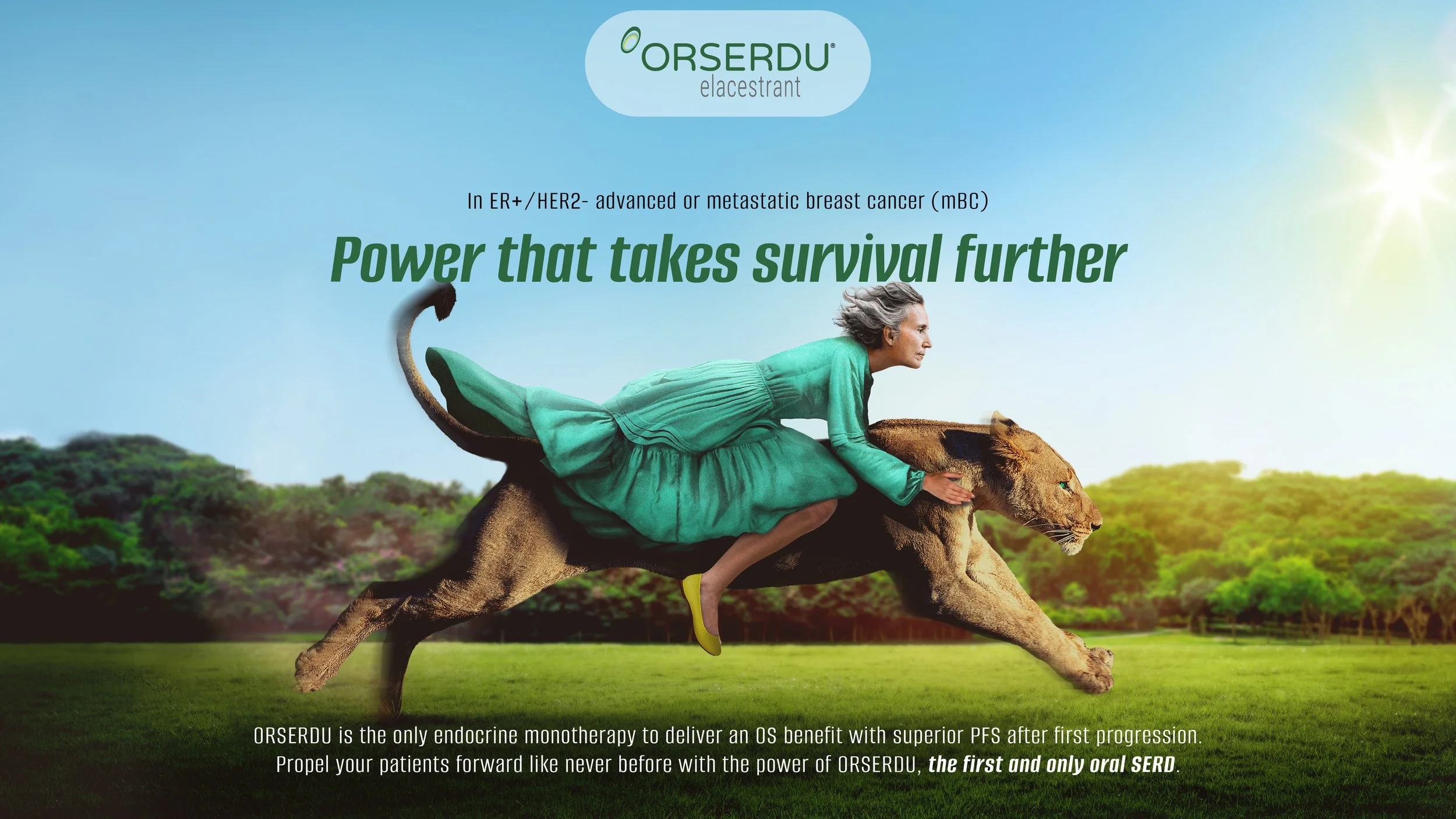
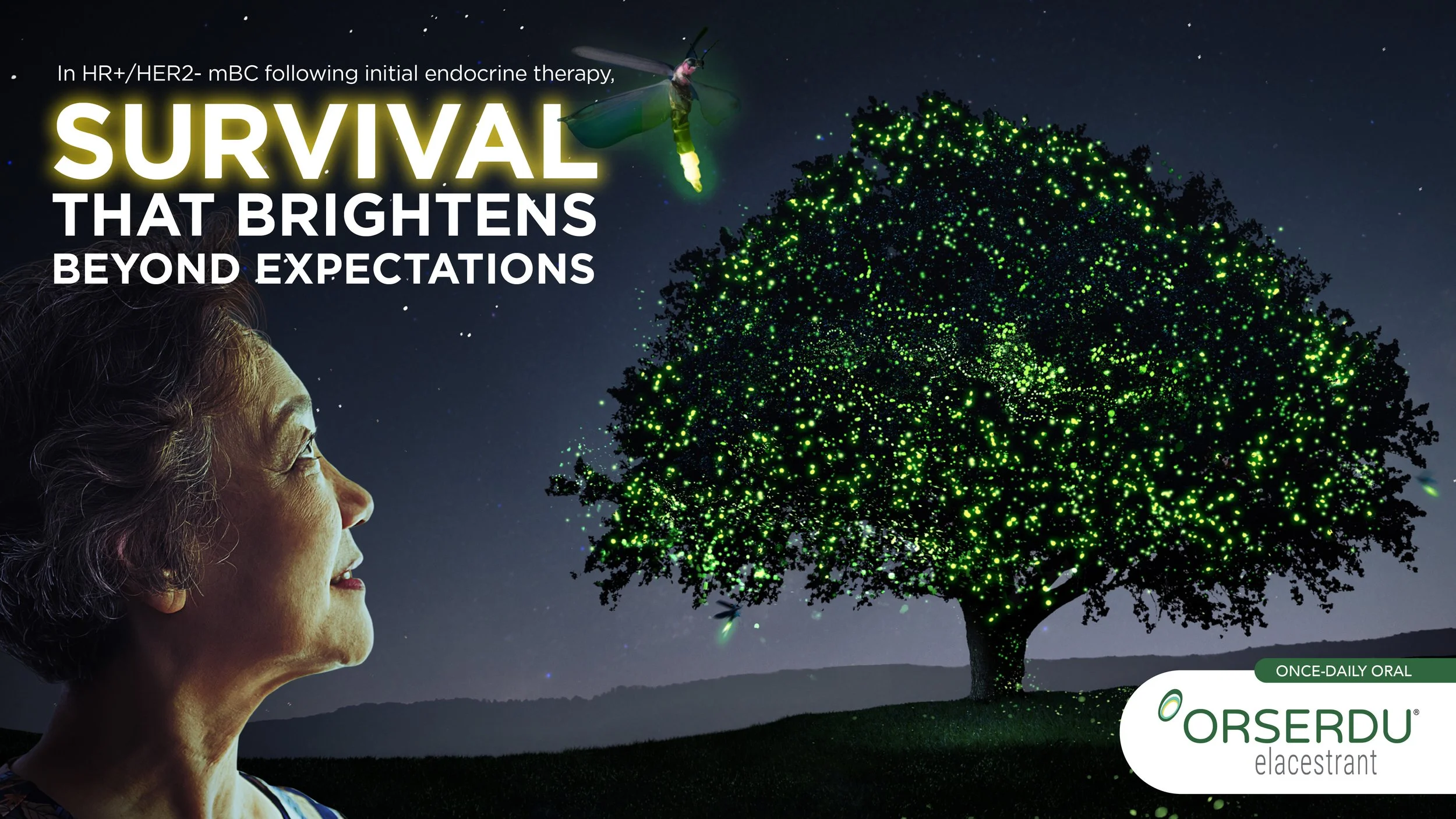
For several years, med oncs have turned to endocrine therapy (ET) as their trusted backbone of care in HR+/HER2- mBC, and their choice of treatment is made from habit. Although generally satisfied with this SoC, there is an underlying desire for something new after years of ET monotherapy stagnation. Many are well aware that there is a tradeoff during ET decision-making: AIs have lower efficacy with preferred administration and fulvestrant, while having more power, has administration challenges.
Core idea:
Get the most out of endocrine therapy with ORSERDU.
(Reflect the potential magnitude of overall survival (OS), which might be significant. It should be ground breaking, aggressive, powerful, unexpected and strong.)
Disease state: Advanced/metastatic breast cancer | Audience: HCPs
Disease state: Metastatic breast cancer | Audience: Patients
Core idea:
Your life has changed. Your treatment should be game-changing.
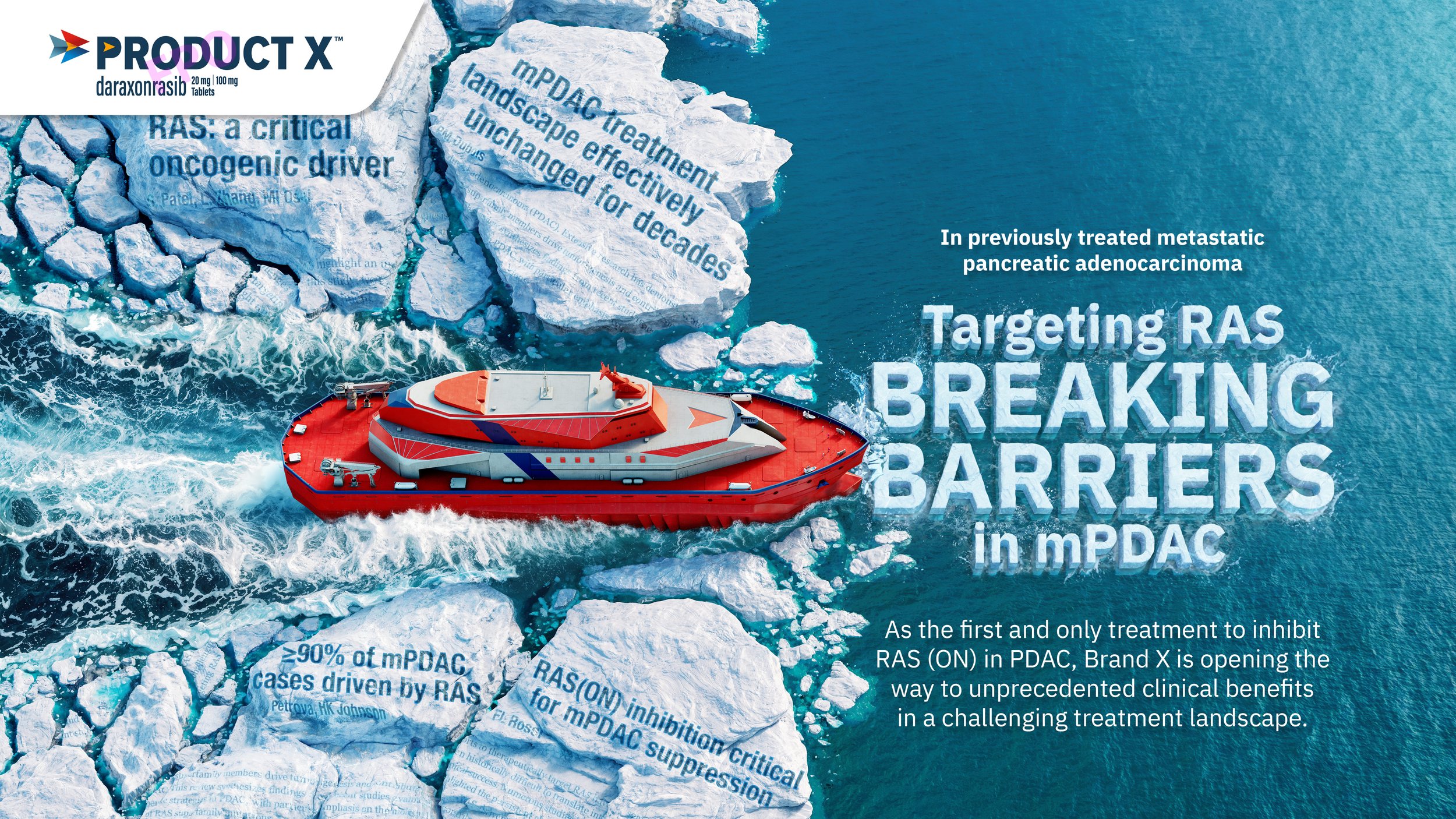
Disease state: Metastatic pancreatic cancer | Audience: HCPs
Insight:
For years, the PDAC treatment landscape has been marked by frustration and stagnation. Despite the critical need for innovative therapies, promising treatments aimed at improving outcomes have repeatedly failed to gain approval. The lack of meaningful change in the treatment landscape has left oncologists with only their “choice” of chemotherapy, which comes with all the toxicities they hope to avoid while delivering few of the benefits they want to see.
The limitations of chemotherapy have fostered a sense of treatment nihilism, in which treaters feel that there is little value in administering current SoC – the harsh reality of chemotherapy often raising concerns of whether they are doing more harm than good. And although oncologists are aware of the need for more efficacious treatment options, they are hesitant to get their hopes up due to the history of failed innovation in the space.
Core idea:
Taking on the key driver of disease (RAS) to fundamentally change the course of PDAC.
Disease state: Metastatic pancreatic cancer | Audience: Patients
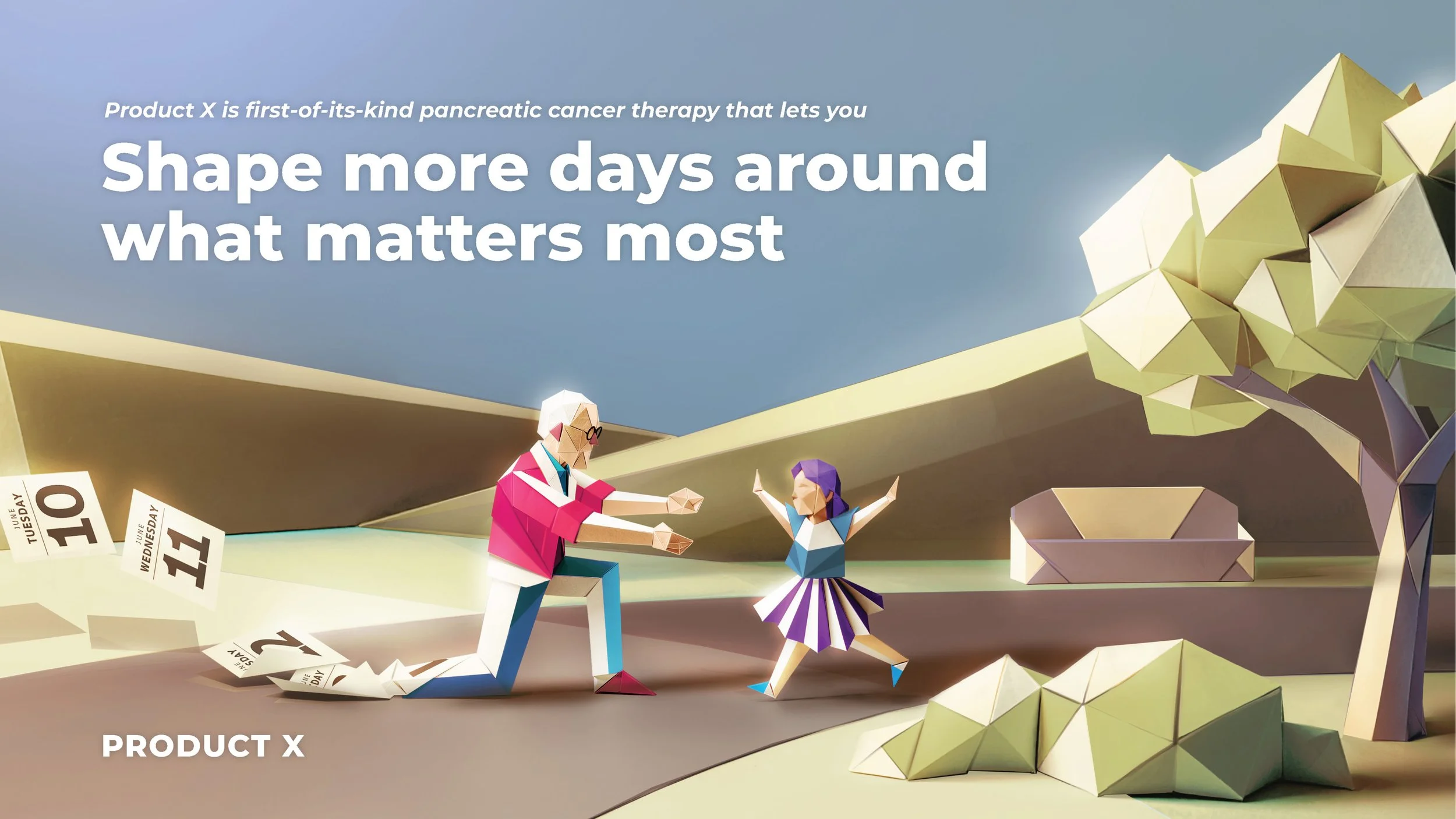
Insight:
The rapid progression on front-line therapy, total absence of treatment options beyond chemotherapy, and general understanding of the poor prognosis of metastatic PDAC impose an impending sense of mortality upon patients, and with it, a strong sense of hopelessness and isolation. This bleak reality fuels some patients to keep pursuing treatment, while forcing others to question whether continuing treatment is worth the toll. But despite which path patients go down, there remains a desperation for a treatment option that could offer them more.
Core idea:
A breakthrough that gives me more of what matters
Disease state: Diabetes | Audience: HCPs